Master of Public Health
Prevent disease, promote health, and develop solutions that protect and improve the well-being of communities.



Transforming Public Health Through Research, Advocacy and Service
The Master of Public Health program prepares students to identify critical health challenges—from chronic disease and nutrition to infectious disease and environmental risks—and design solutions that advance equity for minority, rural, agricultural, and underserved populations.
.jpg)
Master of Public Health (MPH) Program
The Master of Public Health degree program offers two concentrations:
- MPH: Environmental Health
- MPH: Epidemiology (Generalist)
FVSU's MPH program was developed in response to the nation's call-to-action for improved health opportunities for all, with a focus on local, state, regional, and global needs.
What is Public Health?
Public health is about protecting and improving the health of people and communities—locally, nationally, and globally. It goes beyond hospitals and clinics; it’s about creating healthy environments, preventing disease before it starts, and promoting wellness for all. Whether we are tackling chronic conditions, addressing the next pandemic, or ensuring food and water security, public health professionals are at the forefront of change.
What Do Public Health Professionals Do?
We work in communities to:
- Prevent disease and promote wellness through education and outreach.
- Protect the environment by addressing pollution, food safety, and clean water access.
- Advance health equity by ensuring vulnerable populations have access to care.
- Shape policy to reduce health disparities and improve quality of life.
Where Do We Work?
Public health graduates are everywhere:
- Local and state health departments designing prevention programs.
- Hospitals and research centers tracking diseases like HIV and cancer.
- International organizations responding to crises such as Ebola, COVID-19, or malnutrition.
- Community-based nonprofits bringing health resources to underserved neighborhoods.
- Global partnerships building clinics, training health workers, and promoting sustainable change.
How Public Health Solves Global Challenges
Public health is action-oriented. Examples include:
- HIV/AIDS prevention and education: Public health professionals lead testing initiatives, safe practices campaigns, and treatment access in vulnerable communities.
- Nutrition and hunger: Programs teaching sustainable agriculture, providing food aid, and developing school nutrition policies help communities thrive.
- COVID-19 response: From contact tracing to vaccine distribution, public health shaped the world’s response.
- Environmental health: Monitoring water quality, air pollution, and industrial hazards to keep populations safe.
About the MPH Program at FVSU
Our Master of Public Health (MPH) is a 45-credit graduate program designed to train the next generation of leaders in public health. Students learn core disciplines—epidemiology, biostatistics, health behavior, environmental health, and health policy.
Concentrations include:
- Epidemiology: Study the causes and patterns of diseases and conditions and use data to create programs that saves lives.
- Environmental Health: Explores the connections between the environment, workplace, and community health.
Students gain both theoretical knowledge and hands-on experience that prepare them for careers in government, research, healthcare, non-profits, and global organizations.
The THRIVE MPH Fellows Program
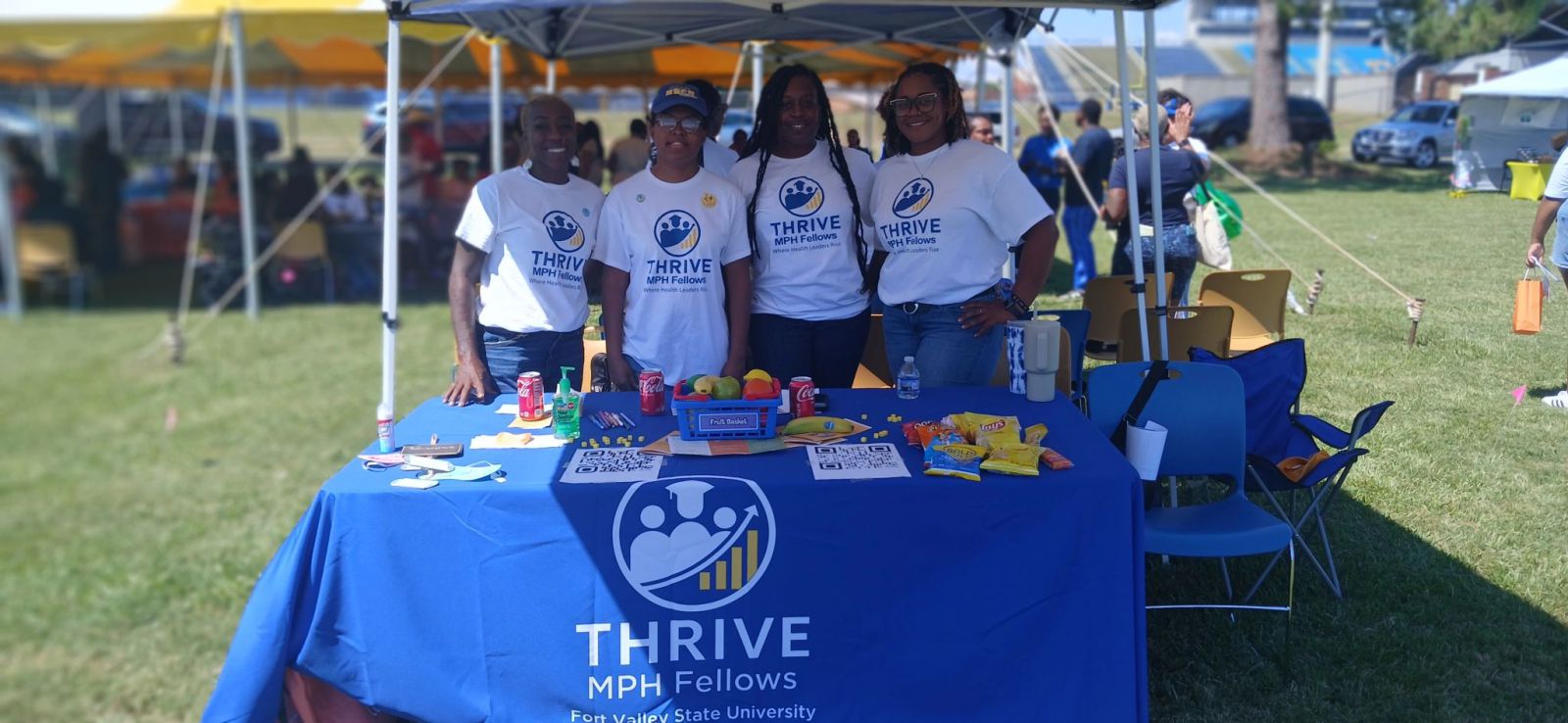
At FVSU, we go beyond the classroom. The Training for Health Research, Innovation, and Visionary Excellence (THRIVE) MPH Fellows Program provides students with extra support in research, leadership, and professional development.
Fellows benefit from:
- Specialized workshops on advanced research methods, grant writing, and data analysis.
- Faculty mentorship with one-on-one guidance from public health experts.
- Professional development opportunities including conference presentations, networking, and publishing.
- Applied learning tracks that prepare Fellows to focus on critical areas such as community health, global health, and health equity.
- Showcase events where students present their work to faculty, peers, and community partners.
The THRIVE program empowers students to move confidently from the classroom to real-world leadership—equipped to innovate, influence, and inspire.
Global Health Opportunities in Ghana
At FVSU, public health is not confined to the classroom—it’s practiced worldwide. Students have the unique opportunity to participate in international fieldwork through:
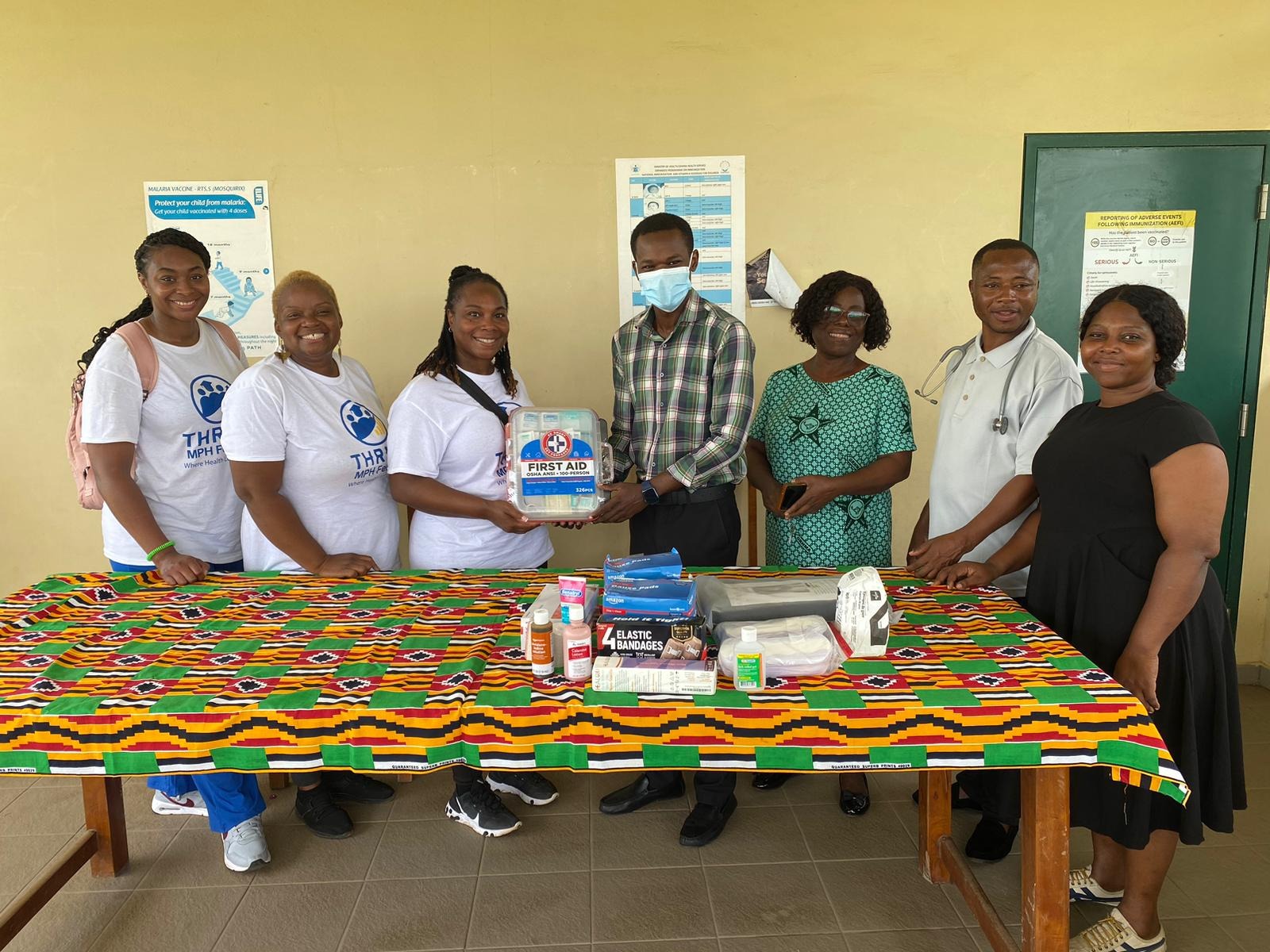
- Operation Brimsu Apewosika (Central Region, Ghana): MPH students work alongside local leaders to deliver malaria prevention bed nets, first aid kits, and women’s health supplies. Students also engage in building a new rural health clinic to expand care access for underserved families.
- Global Brigades Partnership: Join international teams of students and health professionals to deliver sustainable health solutions in rural Ghanaian villages, addressing everything from hygiene and sanitation to medical and public health infrastructure.
These immersive experiences allow students to apply their training directly in the field—solving real-world problems, contributing to research, and strengthening cross-cultural collaboration.
Why Choose the FVSU MPH?
- Personalized mentorship from faculty experts in epidemiology, health promotion, and global health.
- Hands-on training through practica, research, and community engagement.
- THRIVE Fellows Program offering advanced support for research and professional growth.
- Global perspective with opportunities to work in Ghana and beyond.
- Commitment to equity in rural, urban, and underserved communities.
Potential Earnings and Career Outlook
Earning an MPH not only prepares you to improve lives but also opens doors to rewarding and financially viable careers. Salaries vary by role, sector, and location, but national data show strong demand and competitive pay for MPH graduates.
- Epidemiologists: Median annual wage of $83,980 (Bureau of Labor Statistics, 2024). Entry-level positions often start around $60,000–$70,000, while senior or federal roles can exceed $100,000–$120,000+.
- Infectious Disease Epidemiologists: Average salaries estimated at $121,720/year (ZipRecruiter, 2025).
- Biostatisticians: Median salary of $98,920, with top earners above $160,000+ (BLS, 2022).
- Environmental Health Scientists: Median salary of $76,480, with higher-end salaries surpassing $130,000 (BLS, 2022).
Your career in public health starts here. Join us to make a difference—whether it’s preventing the next pandemic, ending hunger, fighting health disparities, or building healthier futures worldwide.
CAREER OPPORTUNITIES
- U.S. Department of Public Health
- State Departments of Public Health, Agriculture
- Local Departments of Public Health, Agriculture
- Environmental Protection Agency (EPA)
- Center for Disease Control and Prevention (CDC)
- Hospitals, Clinics and Medical Facilities
- Private Sector
- Non-profits
ADMISSION REQUIREMENTS
- 3.00 GPA – undergraduate degree (regular admittance)
- 2.50 GPA – undergraduate degree (provisional admittance)
- 3 Letters of recommendation
- Personal goals statement
- 1 copy of undergraduate transcripts
- Application fee
- $58 Domestic
- $113 International
- Completed graduate application
- Immunizations records
Graduation Requirements
Students will be required to take 45 credit hours of graduate level courses including 6 credit hours of Thesis Research OR Field Experience. The program may be completed in 5 semesters (at most) by full time students. It is not a requirement to attend full time in order to matriculate through the program.
APPLY TO THE PROGRAM
Meet the Faculty
The Veterinary Science And Public Health Department faculty at Fort Valley State University understand what it takes to succeed.
Program Contact

Public Health